
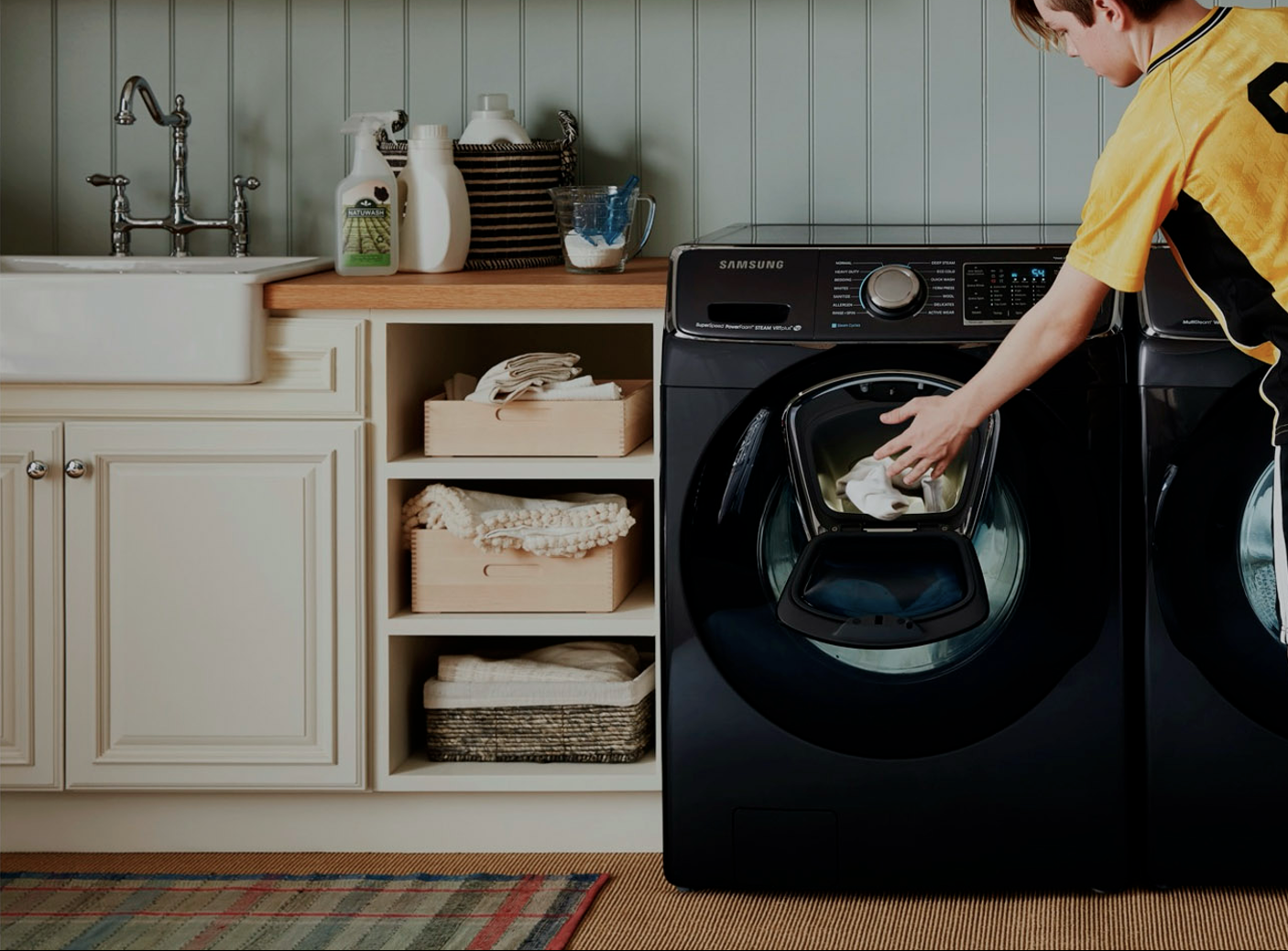
Helping Samsung Reimagine Retail & Appliance Decision-Making
The Challenge.
Experience Strategy
〰️
Consumer Decision-Making
〰️
Experience Strategy 〰️ Consumer Decision-Making 〰️
Samsung wanted to understand how consumers shop for large appliances in-store following the disruption of COVID-19. While online research had become increasingly important, shoppers continued to visit retail stores before making major appliance purchases. This raised a fundamental question: If shoppers can compare products online, what purpose does the store actually serve?
The challenge was understanding what role stores actually play in modern appliance shopping and how Samsung could improve retail experiences, merchandising, and messaging to win brand preference.
Methodologies &
My Role.
01
Remote Ethnography
Conducted a 33-participant study, using video diaries, photo journaling, and screencast missions to capture shoppers' pre-purchase research, retailer expectations, and purchase planning.
02
Ethnographic Field Research
Conducted 20 shop-alongs across multiple retail environments, in 3 markets across the U.S.
(Chicago, Dallas, Florida).
03
Behavioral Analysis
Synthesized behavioral patterns across shopping journeys, decision-making styles, brand perceptions, and purchase criteria.
04
Journey Mapping & Frameworks
Mapped appliance shopping journeys and developed behavioral frameworks illustrating how shoppers discover, evaluate, compare, and purchase appliances.
05
Executive Storytelling
Led synthesis and translated findings into retail, merchandising, and experience recommendations.
Areas of Observation
Customers shopped for refrigerators, washers & dryers, ovens & ranges, and dishwashers while researchers observed their:
Pre-store expectations
Navigation and wayfinding
Product interaction
Information and messaging consumption
Sales associate engagement
Brand evaluation
Smart appliance perceptions
Post-shop reflections
39 Remote Shopping Studies
Participants completed a week-long mobile ethnography documenting:
Current appliances
Replacement triggers
Shopping expectations
Online research behaviors
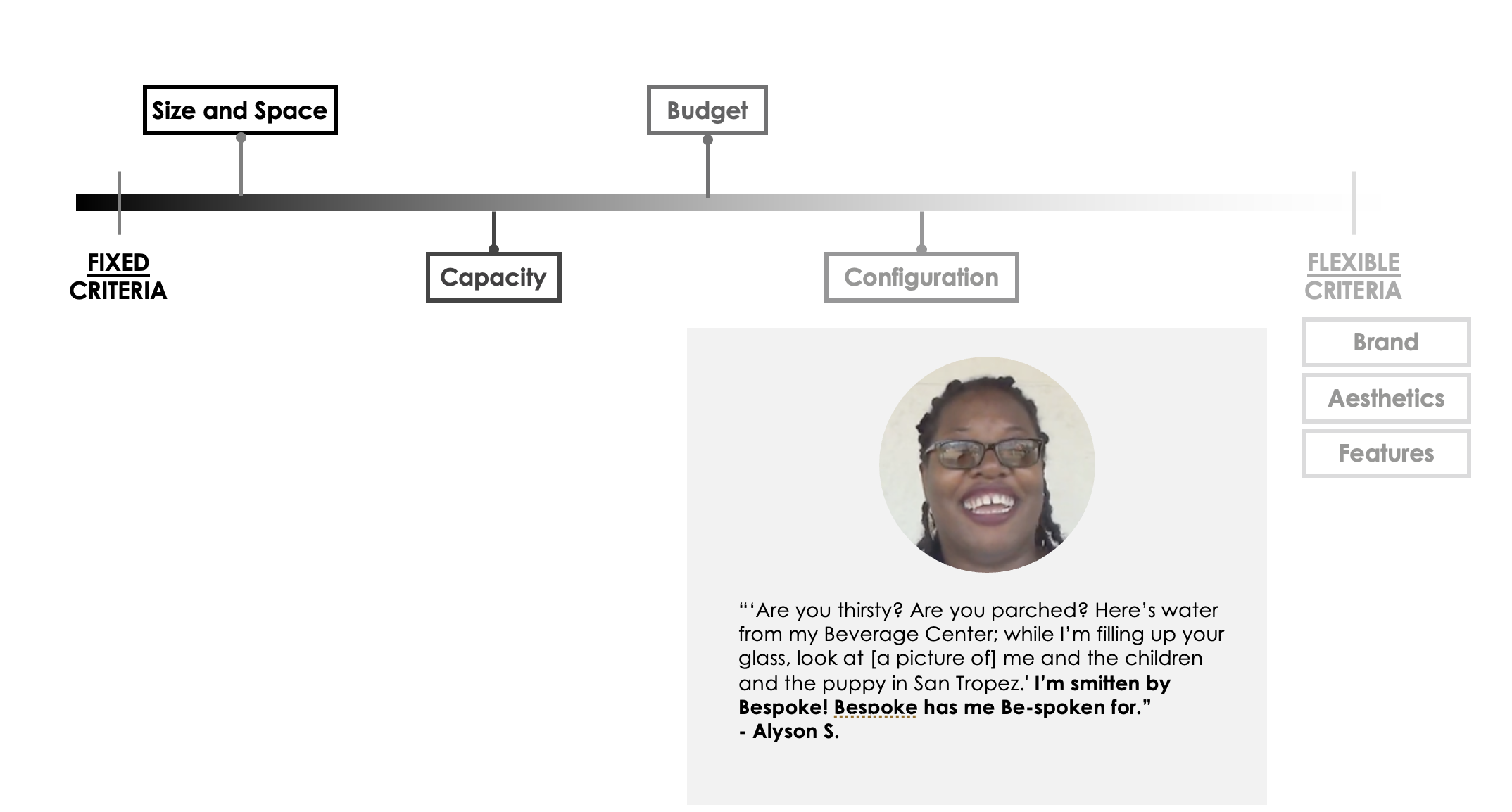
Purchase criteria
Brand perceptions
Product preferences
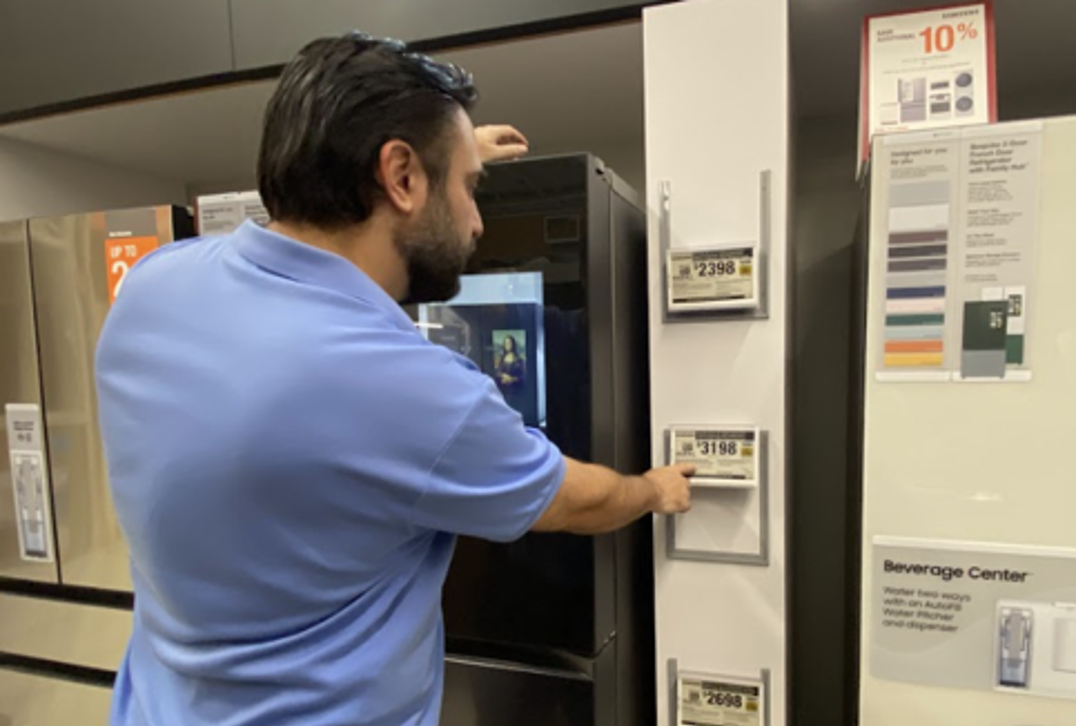
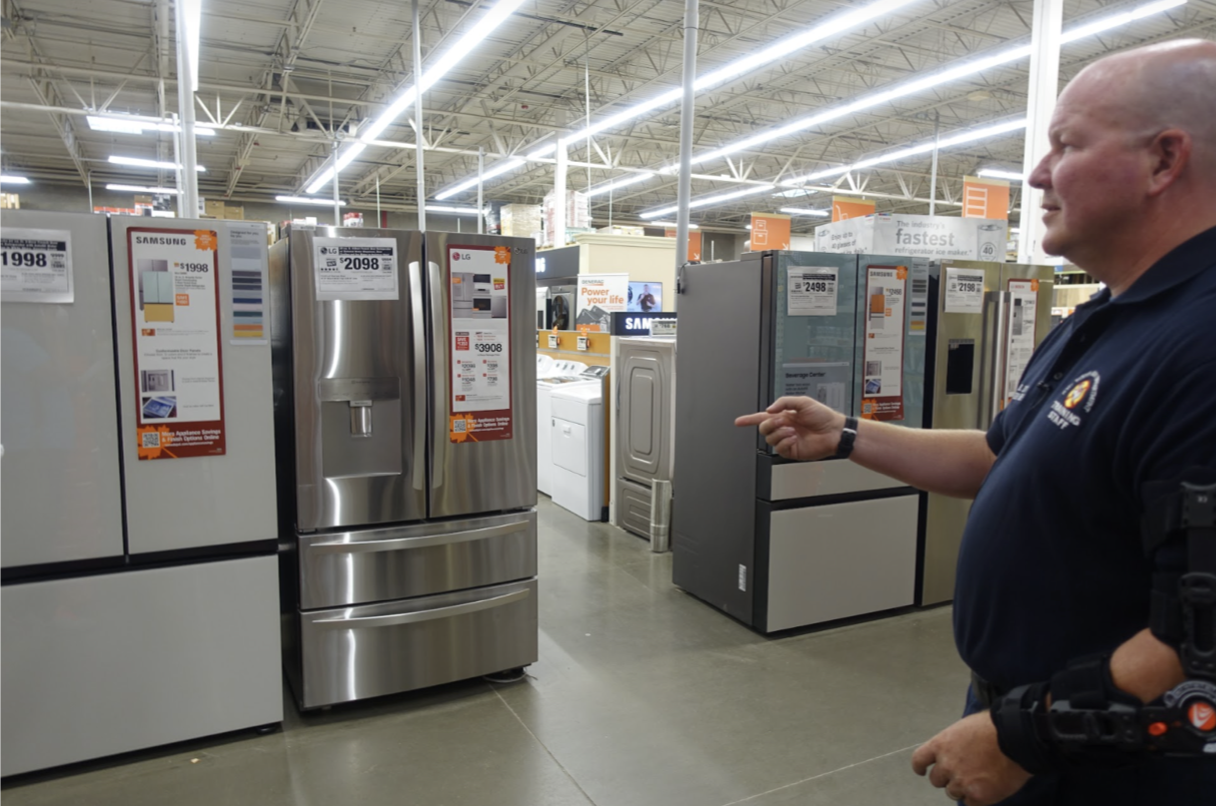
20 In-Store Shop-Alongs
Across Chicago, Dallas, Miami, and Fort Lauderdale, participants visited appliance retailers while researchers observed shopping behavior in real time.
Participants visited retailers including:
Home Depot
Lowe's
Best Buy
ABT Electronics
Nebraska Furniture Mart
Research
Approach.
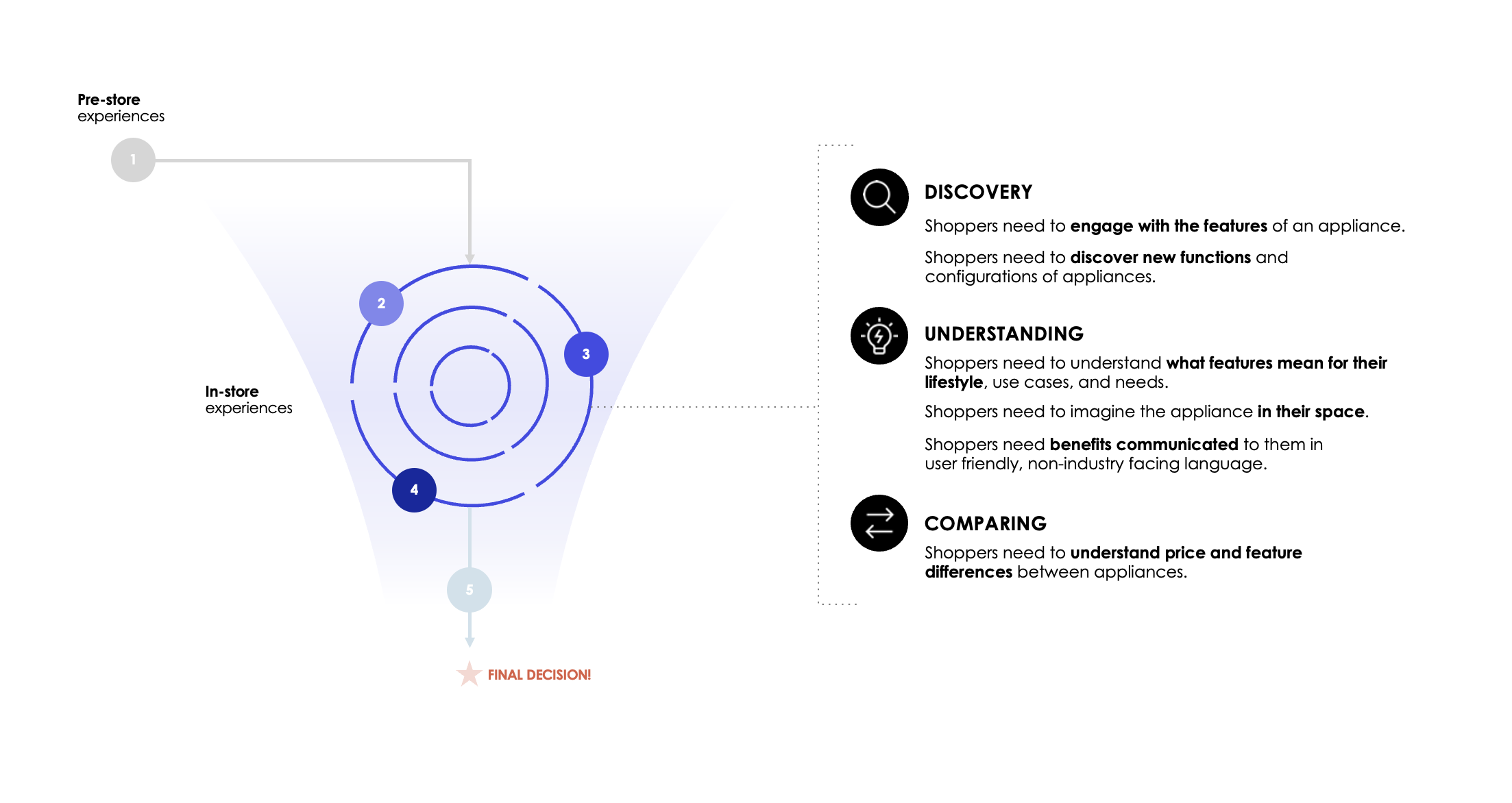
Key Insight 1: The store is where shoppers validate quality—not where they learn specifications.
Before entering a store, most shoppers had already completed significant online research. What they could not evaluate online was:
Build quality
Durability
Ease of use
Physical fit
Emotional response
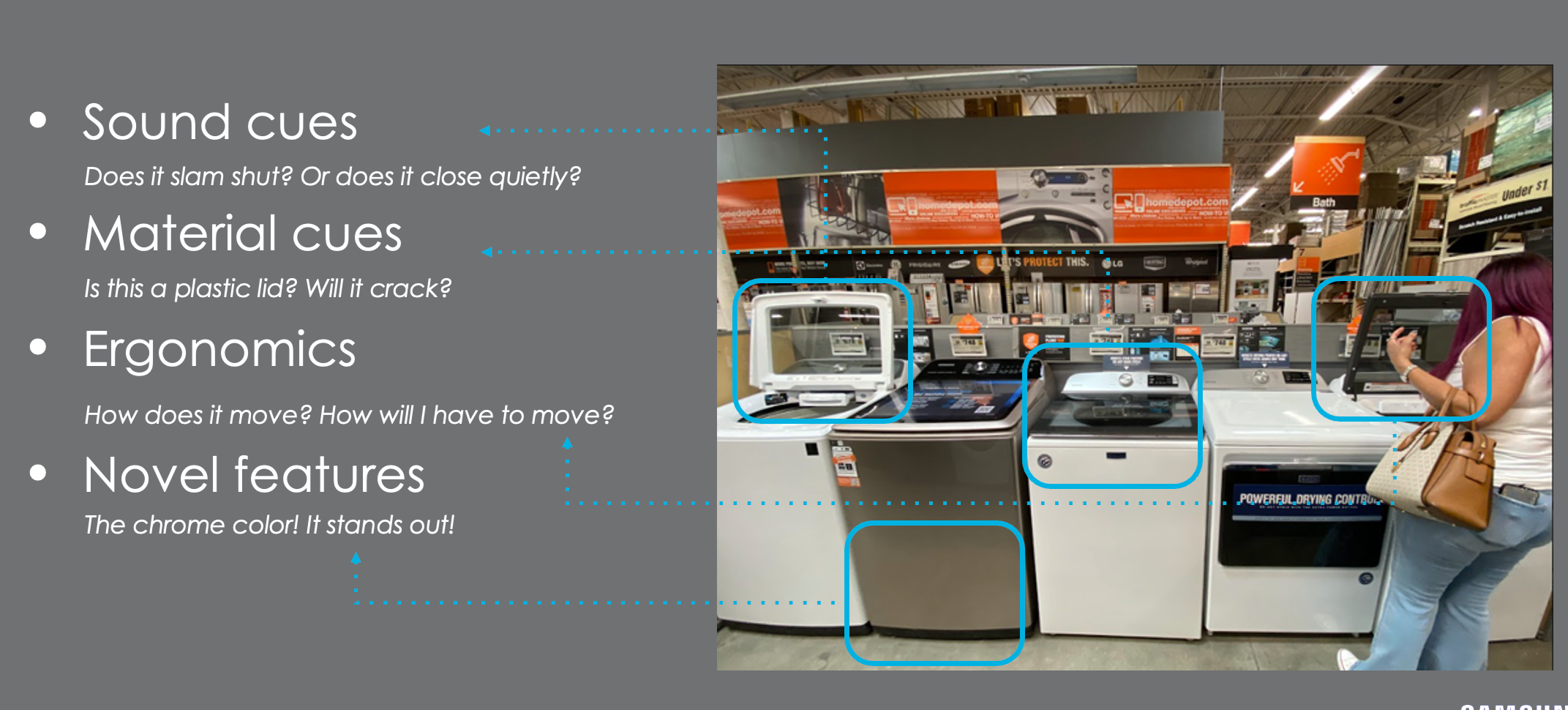
Shoppers repeatedly opened doors, removed shelves, knocked on surfaces, tested handles, and imagined using products in their homes. The physical experience often determined whether a product stayed in consideration.
Implication
Retail should be designed less like an information environment and more like an interaction environment.
Key Insight 2: Appliance shopping is emotional before it is rational.
Consumers described shopping as overwhelming due to:
Large financial commitment
Numerous similar-looking products
Difficult-to-interpret feature differences
Despite arriving with specifications in mind, shoppers ultimately evaluated products through the lens of their own lives. Questions included:
Will this be easy to clean?
Will this fit my family?
Will I regret buying this?
Can I picture this in my home?
Rather than comparing specifications, shoppers compared future experiences.
Implication
Messaging should focus on ownership experiences and lifestyle outcomes rather than feature lists alone.
Insights & Implications.
Key Insight 3: Shoppers rarely consume retail messaging the way brands expect.
One of the most surprising findings was how little traditional point-of-purchase communication was actually read. Shoppers entered stores intending to:
Open doors
Pull drawers
Touch surfaces
Compare products
They did not enter intending to read signage. Even highly visible displays and informational materials were frequently ignored.
Samsung has an opportunity to rethink retail communication beyond static signage and specification-heavy displays.
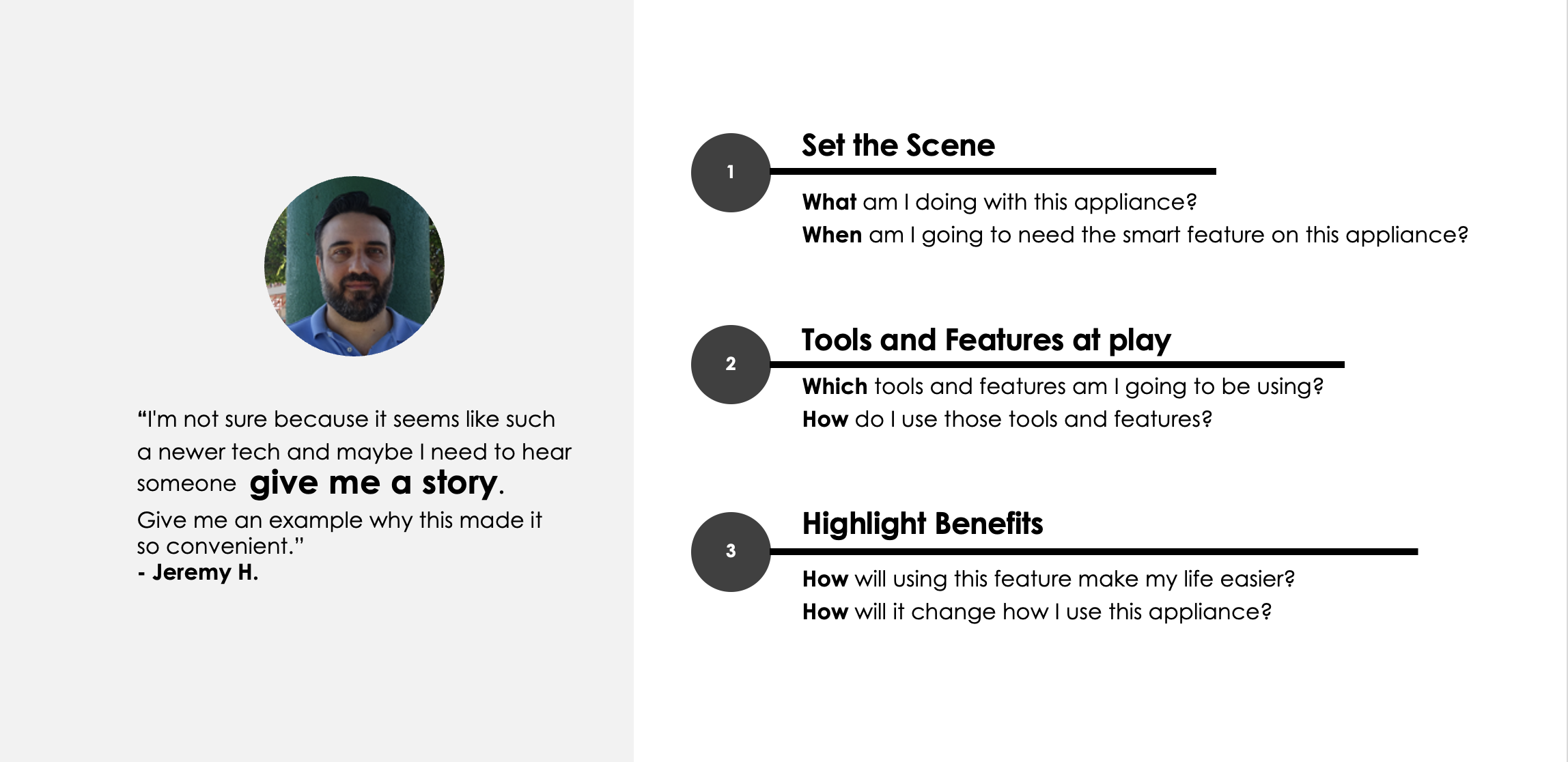
Key Insight 4: "Smart" is compelling—but poorly understood.
Many shoppers assumed future appliances should be smart.
However, very few could clearly articulate:
What smart appliances do
Why they matter
How they improve daily life
Most relied on vague examples or comparisons to products like Ring or Nest.
The word "smart" generated interest, but not understanding.
Implication
Samsung should communicate outcomes rather than technology. Consumers need stories, use cases, and everyday benefits—not connectivity features.
Implication
Strategic
Outcomes.
Research revealed that stores are not primarily places where shoppers learn specifications. Instead, they are places where shoppers validate quality, imagine ownership, and build confidence in expensive purchase decisions.
These findings informed Samsung's retail strategy, merchandising approach, and communication of key platforms including Bespoke and Smart appliances.